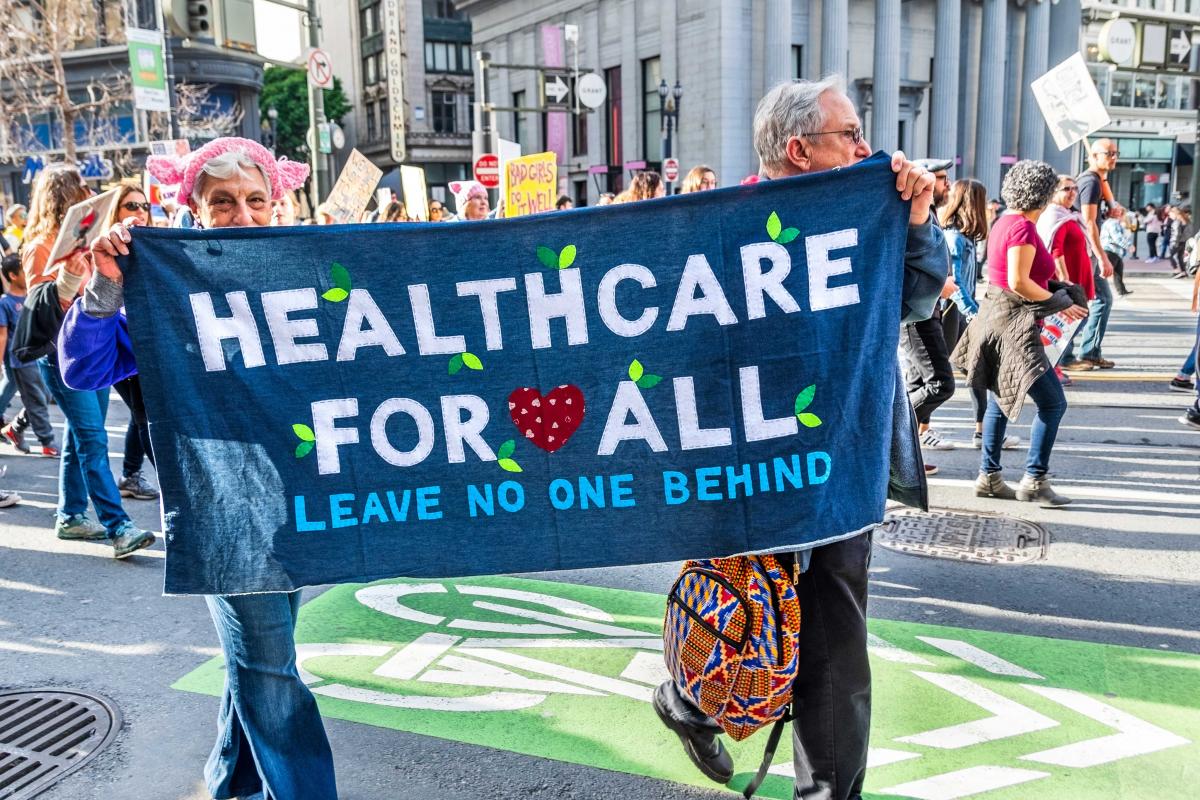
Washington State Senator Bob Hasegawa has introduced a coordinated package of bills in the 2026 session that, taken together, represent the most aggressive push yet toward a state‑run universal health‑care system. While each bill looks different on the surface, they form a unified roadmap: expand public coverage now, build the governing structure for a statewide health plan, and lay the constitutional foundation to make it permanent.
For Washington residents who have watched this policy direction unfold over the last decade, this moment didn’t come out of nowhere. It is the culmination of a long, steady progression and it has overwhelmingly been driven by one party.
Below is a breakdown of what’s in this year’s package, how we got here, and why it matters.
The 2026 Universal Health Care Package
This year’s coordinated set of bills includes:
SJR 8206 — Constitutional Amendment: “Right to Affordable Health Care”
This proposal would add a new article to the Washington Constitution declaring that every resident has a right to “cost‑effective, clinically appropriate, and affordable health care.” A constitutional amendment is the strongest policy tool available to lawmakers as it creates a permanent obligation for the state and future legislatures. SJR 8206 would need a 2/3 vote in the legislature to pass and then it would go on the ballot for a vote of the people.
SB 5946 — Medicaid Expansion to 300% of the Federal Poverty Level
This bill directs the Health Care Authority to expand Apple Health (Medicaid) eligibility to individuals earning up to 300% of the federal poverty level. This would move a large portion of the middle class into publicly funded health coverage.
SB 5947 — Creation of the Washington Health Care Board
This bill establishes a 19‑member board tasked with designing and eventually administering a statewide universal health plan. It cannot launch until federal waivers are granted, but the structure would be in place.
SB 5948 — Universal Health Care Commission Deadlines and System Blueprint
This bill sets strict deadlines for the Universal Health Care Commission to produce a full system design, financing plan, advisory committees, and draft legislation for a universal health‑care system by December 1, 2029.
Together, these bills create the constitutional mandate, the governing body, the timeline, and the early coverage expansion needed to transition Washington into a unified, state‑run health‑care system.
How We Got Here: A Brief History
Washington’s movement toward universal health care has been unfolding for years. Key milestones include:
2019–2021: Foundational Studies and Commissions
The Legislature created the Universal Health Care Work Group via ESSB 1109 in the 2019 legislative session and later the Universal Health Care Commission via SB 5399 in 2021 to study single‑payer and unified financing models. These efforts were initiated and advanced primarily by Democratic lawmakers.
2020: HB 2457 and the Health Care Cost Transparency Board
The Legislature created the Health Care Cost Transparency Board to track total health expenditures, identify cost drivers, and set a health‑care cost growth benchmark for payers and providers, laying groundwork for future cost‑control measures commonly used in universal or single‑payer systems.
The Universal Health Care Commission: The Quiet Engine Behind This Entire Agenda
While most Washingtonians have never heard of it, the Universal Health Care Commission (UHCC) is the central driver behind the state’s long‑term push toward a government‑run health‑care system. Created in 2021, the Commission has spent the last several years quietly designing the framework for a unified financing system, including single‑payer and preparing the state for a full transition once federal authority becomes available.
The Commission’s 2025 Annual Report to the Legislature makes its mission unmistakably clear: Washington is actively planning a system that would provide coverage and access for all residents through a state‑run, unified financing model.
And they are not just studying ideas. They are building the system. Anytime government creates a commission, work group, task force, or study group, they are committed to creating the infrastructure for more government control.
What the Commission Has Already Done
According to the 2025 report, the Commission has already developed:
- An eligibility framework for who would be covered under a universal plan
- A benefits and services framework outlining what the plan would include
- Cost‑sharing principles that lean toward minimal or no out‑of‑pocket costs
- Cost‑containment strategies modeled on single‑payer systems
- Governance concepts for how a statewide plan would be administered
- A federal waiver strategy for shifting all Washington residents into a unified system
The Commission also commissioned a major actuarial analysis from Milliman, which found that a Medicaid‑like universal plan would increase total annual costs by $3.9 to $7.4 billion compared to current spending. Despite this, the Commission continues to advance the unified‑financing model.
The Most Important Piece: They Say Statutory and Constitutional Changes Are Needed
The 2025 report explicitly states that Washington cannot fully implement a universal system without:
- New legislation, and
- Constitutional changes
This is the smoking gun that ties the Commission’s work directly to the 2026 bill package.
How Olympia Turns Planning into Policy
The Commission’s recommendations line up almost perfectly with the bills introduced by Senator Hasegawa this session:
- SJR 8206 — provides the constitutional change the Commission says is required
- SB 5946 — expands public coverage as an early step toward universal care
- SB 5947 — creates the governing board to design and run the statewide plan
- SB 5948 — imposes deadlines on the Commission to finalize system design and deliver draft legislation by 2029
These bills are the Legislature acting on the Commission’s blueprint.
Support Our Work
If this bill concerns you, you’re not alone. Our team works every day to track legislation, break down complex policy, and alert citizens before it’s too late to act. This kind of work takes time, research, and resources—and we rely on supporters like you to keep it going.
If you value having a watchdog in Olympia who will actually read the bills, expose the risks, and equip citizens with the truth, please consider making a donation today. Every contribution, large or small, helps us continue bringing truth and transparency to Washington citizens.
Stand with us.